Health inspections are one of the most nerve-wracking experiences for any restaurant owner. A single violation can trigger fines, temporary closures, or damage to your public reputation. While food handling and temperature control often get the most attention, flooring is one of the most commonly cited issues during NJ health department visits. The right commercial kitchen flooring nj choice removes that vulnerability from the equation entirely. This article walks through exactly what inspectors look for and how to ensure your floor never becomes the reason you fail an inspection.
What NJ Health Inspectors Look for in Kitchen Floors
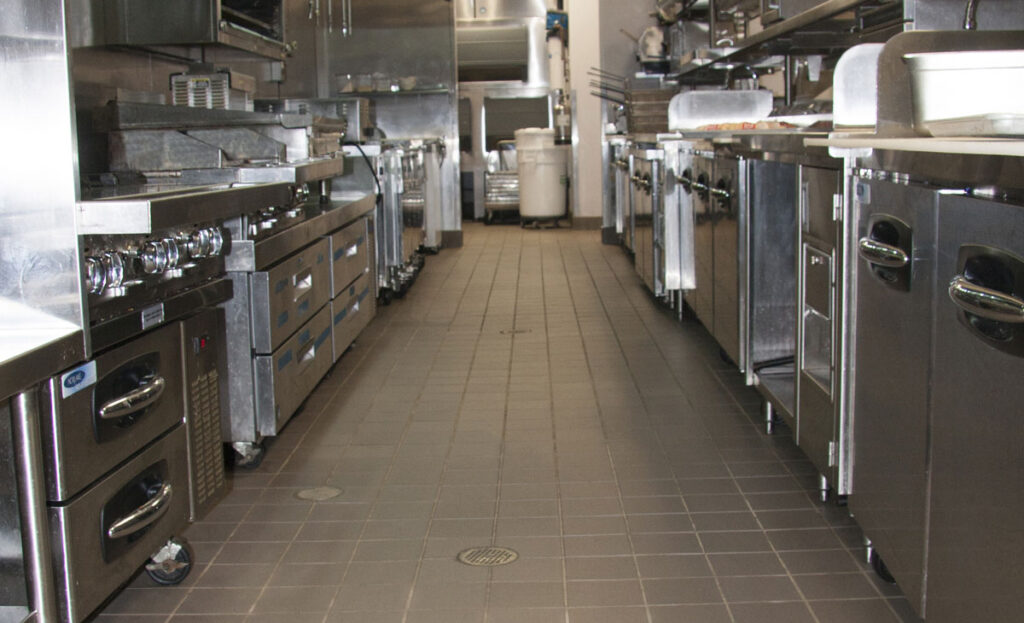
New Jersey health code requires commercial kitchen floors to meet several specific criteria. They must be smooth enough to be easily cleaned, durable enough to withstand heavy use, non-absorbent to prevent bacterial growth, and in good repair with no cracks, chips, or missing sections.
Grout lines in tile floors are a frequent sticking point. Even when a kitchen staff cleans diligently, grout naturally darkens and develops microbial growth over time. Inspectors know this, and they look for it. Floors that have visible deterioration, standing water near drains, or areas where the surface has separated from the substrate are also red flags that trigger citations.
Practical Flooring Strategies for Sustained Compliance
Staying compliant is not just about passing the next inspection. It is about building systems and using materials that make ongoing compliance effortless. Seamless flooring systems like epoxy or polyurethane eliminate grout lines and create surfaces that can be cleaned to a food-safe standard quickly and consistently.
Proper slope and drainage are equally important. Your floor should direct water toward drains efficiently to prevent standing water. A flooring contractor with commercial kitchen experience can assess your current drainage and recommend surface gradients that comply with code requirements. This is particularly important when installing new flooring after a renovation or equipment reconfiguration.
Case Study: A New Jersey Diner’s Compliance Turnaround
A family-owned diner in central New Jersey faced repeated health inspection issues related to their aging quarry tile floor. The grout had darkened despite daily cleaning, and one section near the dishwashing station had developed a slight depression that allowed water to pool. The owner received two citations in a single year.
After consulting with a specialist in commercial kitchen flooring nj, they replaced the tile with a seamless epoxy system featuring built-in slope correction. Their next three inspections were completely citation-free. The owner noted that kitchen cleaning time also dropped by about 20 minutes per day, freeing staff for other tasks.
Investing in Compliance as a Long-Term Business Strategy
Some operators view compliance as a burden. The smarter perspective is to see it as a business differentiator. Restaurants that consistently pass inspections with high scores benefit from better customer trust, lower insurance risk, and fewer operational disruptions. Health inspection records are increasingly visible to the public through online databases and review sites.
Choosing flooring that naturally supports compliance reduces the mental and financial cost of maintaining a food-safe kitchen. When your floor is seamless, cleanable, and structurally sound, one major compliance risk is permanently removed from your list of concerns. That peace of mind has genuine business value.
Conclusion
Health inspections do not have to be a source of anxiety. With the right commercial kitchen flooring nj solution in place, your floor becomes a strength rather than a liability. Seamless, durable, and code-compliant flooring is the kind of infrastructure investment that pays dividends every single time an inspector walks through your door.