

Pests rarely arrive overnight. Most infestations develop gradually, starting with a small entry point or an overlooked food source. Understanding this slow buildup helps homeowners take early action and avoid larger problems later.
How Pests Find Their Way Inside
Cracks in foundations, gaps around pipes, and open vents provide easy access to shelter and warmth. Once inside, rodents quickly establish nests, making rodent control a priority before damage spreads. These animals are persistent and will revisit spaces that offer safety and food.
Insects follow similar patterns. Kitchens and laundry rooms attract moisture-loving species, while windows and doors allow flying pests indoors. Effective insect control starts by identifying these pathways and sealing them properly.
Creating a Defensive Home Setup
Daily routines influence pest activity more than many people realize. Wiping counters, taking out trash regularly, and avoiding clutter reduce attractants that encourage rodents. These habits strengthen rodent control by removing the resources pests depend on.
Good storage practices also enhance insect control. Dry goods in sealed containers, clean recycling bins, and covered compost areas all limit opportunities for infestation.
Structural Improvements
Home maintenance plays a powerful role in pest prevention. Repairing rooflines, replacing damaged siding, and fixing leaky faucets remove nesting and breeding zones. These improvements support both rodent control and insect control without relying heavily on treatments.
Outdoor Management
Yards and gardens can either invite pests or discourage them. Keeping grass trimmed, storing firewood away from walls, and managing standing water makes properties less appealing. These steps reinforce indoor rodent control efforts while lowering outdoor insect populations.
When Professional Insight Helps
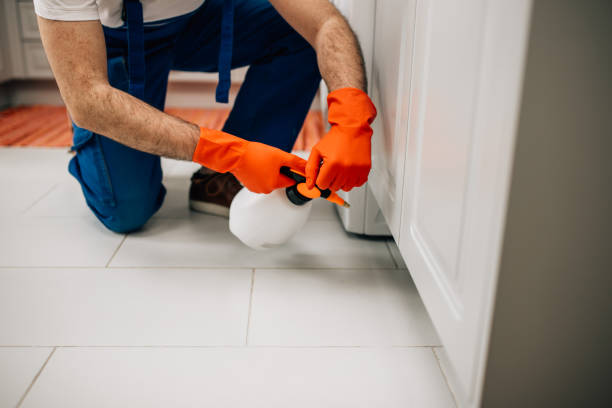
Some infestations require expert evaluation. Trained specialists can locate hidden entry points and recommend customized solutions. Advanced rodent control techniques may include exclusion systems and monitoring devices that track activity over time.
For stubborn infestations, professional insect control focuses on targeted applications rather than blanket spraying. This approach protects living spaces while addressing the source of the problem.
Health and Safety Considerations
Rodents contaminate surfaces with droppings and urine, while insects can introduce pathogens or worsen asthma symptoms. Reliable rodent control reduces exposure to these risks, particularly in kitchens and food storage areas.
Consistent insect control also supports respiratory health by minimizing allergens and preventing bites. Together, these measures help create safer homes for families of all ages.
Planning for Seasonal Changes
Weather shifts influence pest behavior. Cold temperatures drive rodents indoors, increasing the importance of rodent control during fall and winter. Spring and summer bring higher insect activity, making insect control essential for comfort and outdoor enjoyment.
Preparing ahead of each season allows homeowners to respond proactively rather than reactively.
Conclusion
Long-term pest protection depends on awareness, maintenance, and smart intervention. By strengthening entry points, improving sanitation, and using modern solutions, households can maintain steady rodent control while benefiting from efficient insect control. The result is a cleaner home, healthier air, and greater confidence that pests won’t disrupt everyday life.