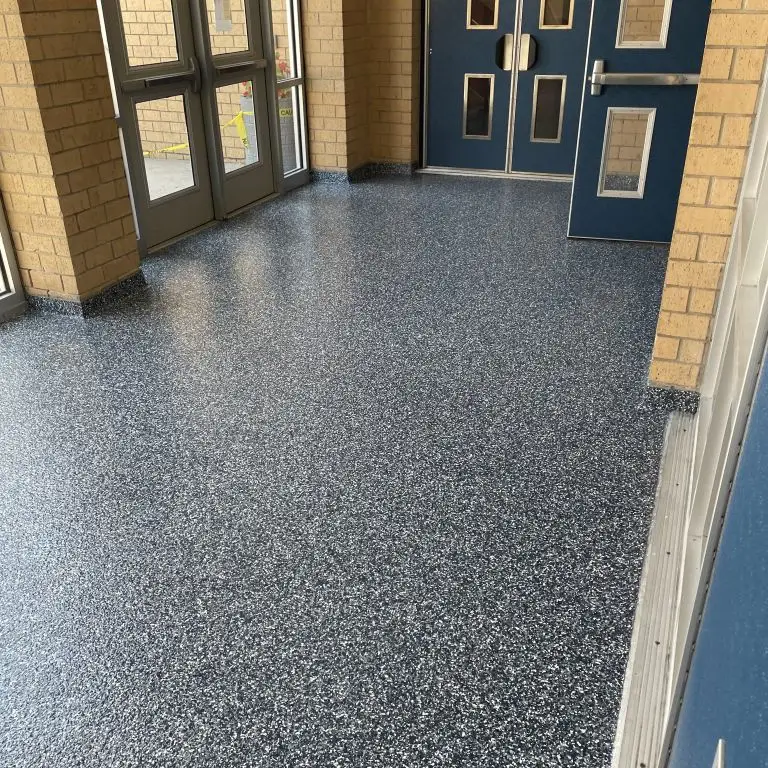
Industrial environments demand flooring systems that can handle constant pressure, heavy machinery, and daily wear without compromising safety or performance. Choosing the right flooring is not just about appearance; it directly affects productivity, maintenance costs, and workplace safety. In warehouses, even minor flooring issues like cracks or uneven surfaces can lead to serious operational disruptions.
A well-designed flooring system supports smooth logistics flow, reduces accident risks, and ensures long-term durability. Businesses today are increasingly prioritizing flooring solutions that are both functional and cost-efficient. With the right planning and execution, warehouse floors can last for years while maintaining high performance standards.
Many facility managers now rely on specialized services rather than general contractors because industrial flooring requires technical expertise, proper materials, and precision installation. This is where professional guidance becomes essential for long-term success.
Why Hiring a warehouse flooring installer Matters in Industrial Spaces
When it comes to large-scale industrial operations, working with a warehouse flooring installer ensures that every stage of the flooring process is handled with accuracy and expertise. These professionals understand load-bearing requirements, moisture resistance, and surface durability needed for demanding environments.
A skilled installer does more than lay flooring materials; they evaluate the structure, recommend suitable coatings, and prepare the surface for long-term resilience. This reduces the risk of premature damage and expensive repairs later on.
- One key advantage of hiring experts is that they help select the right flooring system based on warehouse usage, whether it involves forklifts, pallet movement, or heavy storage racks.
Additionally, professional installers ensure compliance with safety standards, which is critical in industrial facilities where accidents can lead to costly downtime. Their experience allows them to identify potential weak points before installation begins, ensuring a smoother workflow and stronger foundation overall.
Modern warehouses often require customized flooring solutions such as epoxy coatings, polished concrete, or anti-slip surfaces. A qualified installer can recommend the best option based on operational needs and environmental conditions. This tailored approach helps businesses maximize efficiency while minimizing maintenance expenses over time.
How a warehouse flooring installer Improves Safety and Efficiency
A professional warehouse flooring installer plays a vital role in improving both workplace safety and operational efficiency. Proper installation reduces hazards like slipping, cracking, and uneven surfaces that can cause accidents or slow down daily operations.
Beyond installation, these experts focus on surface leveling and finishing techniques that enhance durability. A well-finished floor supports smoother movement of forklifts and equipment, which directly improves productivity in busy warehouse environments. Employees can operate more confidently when flooring conditions are stable and predictable.
They also use advanced materials and methods that extend the lifespan of industrial floors. For example, epoxy coatings provide chemical resistance, while polished concrete offers long-term durability with minimal maintenance. This combination of strength and efficiency is essential for high-traffic facilities.
A properly installed warehouse floor also reduces maintenance interruptions, allowing businesses to focus on core operations instead of frequent repairs. Over time, this leads to significant cost savings and improved workflow consistency.
Conclusion
Industrial flooring is a critical component of any warehouse operation, influencing safety, efficiency, and long-term cost management. Investing in professional installation ensures that floors are built to withstand heavy usage while maintaining structural integrity.
By working with experts in the field, businesses gain access to specialized knowledge, durable materials, and precise installation techniques. This not only improves daily operations but also reduces long-term maintenance challenges.